

Luxury Homes in India: 6 Residential Trends in Indian Hill Stations
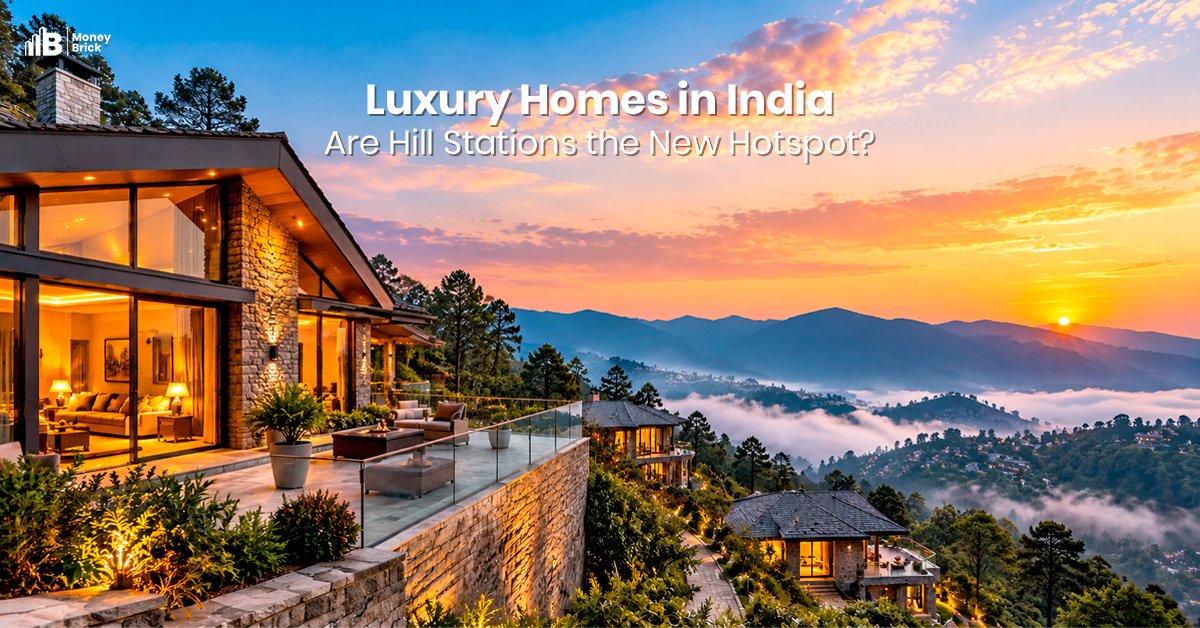
Luxury homes in India are no longer found only in big cities. Over the last few years, many buyers have started looking at the mountains instead, and luxury residential trends in Indian hill stations show how strong this shift has become. A house in the hills once meant a simple cottage for summer breaks. Today, buyers want well-planned homes with views, privacy and modern comfort that they can enjoy through the year. From Himachal Pradesh to Uttarakhand, developers are launching premium projects to match this demand. This blog covers six trends shaping the market for luxury homes in India and what buyers should check before they invest.
Why Luxury Homes in India Are Moving to the Hills
A luxury house in India used to mean a bungalow or penthouse in a big city. That picture is changing. Better roads, more flights and the rise of remote work have made hill towns practical places to spend longer stretches of time. Many city professionals now want cleaner air, open views and a slower pace, and they have the income to pay for it.
Rising incomes are only part of the story. After the pandemic years, many families began to value space, nature and health more than before. A home that once felt like an indulgence now feels like a sensible choice. Developers noticed this and started planning projects with larger balconies, better views and stronger build quality.
6 Luxury Residential Trends in Indian Hill Stations Buyers Love
Trend 1: Second Home Demand Is Growing Fast
The second home is the biggest force behind luxury residential trends in Indian hill stations. Buyers from Delhi, Chandigarh, Punjab and other cities want a place within a few hours’ drive. Hill towns such as Shimla, Kufri and Chail fit that need well, and many of the newest luxury homes in India are now planned there. Destinations like Mussoorie and Nainital draw similar interest.
What has changed is the kind of second home people ask for. Instead of old-style houses with basic fittings, buyers now want modern layouts, good insulation and ready-to-use interiors. Many want a home they can lock and leave without worrying about upkeep. They also want clear paperwork, because buying in another state can feel risky without it.
This is why managed projects with on-site support are doing well among buyers of luxury properties in the hills. When the owner lives hundreds of kilometres away, services like cleaning, security and maintenance become part of the value.
Trend 2: Luxury Apartments and Villaments Are Gaining Ground
Standalone bungalows still have fans, but compact formats are catching up with buyers of luxury homes in India. Luxury apartments, duplexes and villaments are popular because they offer more value in a smaller footprint. They need less maintenance, and they usually sit inside gated projects with shared amenities.
This format also suits first-time buyers. A well-designed unit in a premium project costs less than a large independent villa, yet it still gives mountain views and a private balcony or terrace. Many luxury apartments in hill stations now come with covered parking, power backup and round-the-clock security. These details seem small, but they matter a lot when the owner lives in another city.
Villaments, which sit between an apartment and a villa, add another option. They give a little more privacy and outdoor space than a regular flat while keeping upkeep simple. For many buyers, units of this kind offer the right balance between comfort and cost.
Trend 3: Wellness-Led Design Is Redefining Luxury Homes in India
Today’s luxury homes in India are no longer designed only to look good. Buyers want them to feel good too. Even a home that looks grand from outside can disappoint if it ignores comfort, light and fresh air. Wellness-focused features now show up in many new projects, such as yoga decks, walking trails, landscaped gardens and quiet corners for reading.
Natural light is high on the list. Large windows that frame the valley, open terraces and warm wooden finishes help a home feel connected to its surroundings. Some projects also add co-working corners and high-speed internet, since many owners want a hill home that doubles as a workspace for weeks at a time.
Trend 4: Sustainable Building Is Now a Selling Point
Buyers like homes that blend with the landscape. Many new luxury homes in India use local stone and wood, save water through rainwater harvesting and make good use of natural light to cut energy use. A project that respects the hills usually feels more premium than one that simply adds more concrete.
This also matters for long-term value. Well-built, energy-smart homes are cheaper to run, age better in harsh weather and appeal to a wider set of future buyers.
Trend 5: Smart Features Make Managed Living Easy
Owners of luxury homes in India who live in another city need to control their home from a distance. Smart locks, remote-controlled heating, CCTV and power backup are now common in new apartments and villas. Some projects also offer housekeeping, caretaker support and seasonal check-ups, so the home stays ready for the next visit.
This kind of managed living is a big reason people feel comfortable buying a second home far from where they live. It removes the daily worry of upkeep and lets owners enjoy the property rather than manage it.
Trend 6: Rental Income Boosts the Value of Luxury Properties
Many buyers want their property to earn when they are away. Hill towns see strong tourist flow in summer, and festival weekends and winter holidays also bring visitors. A well-located home can attract guests who prefer a private stay over a hotel room.
Managed rental models are becoming common in luxury homes in India. In these, an operator handles bookings, cleaning and guest support, while the owner earns a share of the income. This suits people who like the idea of owning a hill home but do not want daily management work. Still, returns depend on location, season and how well the property is run, so treat any promised income as an estimate, not a guarantee. For many buyers, this mix of personal use and rental potential is a big draw.
What Buyers Expect From Luxury Homes in India
Today’s buyers are better informed, and their checklist is longer. Whether they are comparing projects in one town or across several hill stations, most ask for the same things:
- Open views of valleys, forests or snow-capped peaks
- Low-density layouts with space between buildings
- A clubhouse, gym, garden and a safe play area for children
- Energy-efficient design and rainwater harvesting
- Smart locks, modular kitchens and quality bathroom fittings
- Road access that stays open in bad weather
Buyers are no longer impressed by size alone. They look at how a home works day to day, how safe the location is and how well the builder keeps promises.
Luxury House in India: Hill Station or Metro, Which Is Better?
Luxury properties in metro cities offer convenience, but they often come with noise, traffic and tight space. In the hills, luxury homes in India offer a different kind of value: fresh air, privacy and a holiday feel at your doorstep.
There are trade-offs, though. A luxury house in India located in a metro usually has steadier resale and rental activity throughout the year. Hill homes see more seasonal use, and weather can affect travel and upkeep. Apartments in cities are also easier to reach for a quick check-up, while luxury apartments in the hills need a reliable management team. Neither choice is better for everyone. It depends on how you plan to use the property and how long you plan to hold it.
5 Things to Check Before Buying Luxury Properties in the Hills
Before you invest in luxury homes in India, spend time on a few basics:
- RERA registration. Confirm that the project is registered on HPRERA and review its approved plans and timelines.
- Land and ownership rules. Himachal Pradesh has special rules for buying land, so confirm what applies to you with a local lawyer.
- Road access and utilities. Visit in more than one season if you can, and check water supply, drainage and power backup.
- Construction quality. Look at insulation, waterproofing and materials, since hill weather can be hard on buildings.
- Area growth. Read about tourism and infrastructure plans to understand where demand is heading.
Also compare more than one project before booking. Ask about maintenance charges, builder track record and what the home will cost to run each year. Good builders are open about these details.
Final Thoughts: Luxury Homes in India Have Found a New Address
Luxury residential trends in Indian hill stations point to one clear thing: buyers want more than a view. They want comfort, thoughtful design, a trusted builder and a property that works as both a getaway and an investment. As more people look beyond the city for a luxury house in India, hill towns are likely to stay in focus. If you are planning to buy a second home in the hills, do your checks carefully and choose the one among today’s luxury homes in India that fits how you actually plan to live.
FAQs About Luxury Homes in India
Why are luxury homes in India becoming popular in hill stations?
Better roads, easier flights and remote work have made hill towns practical for longer stays. Many buyers now want clean air, open views and more space than a city flat can give. Developers have also started offering gated projects with modern amenities, which makes owning a home in the hills feel safe and convenient. Together, these reasons are pushing demand for luxury homes in India beyond metro cities.
Is a second home in a hill station a good investment?
It can be, but the result depends on the location, the builder and how you plan to use the home. A second home may gain value over time and can also earn rental income during tourist seasons. At the same time, hill homes see seasonal use, and upkeep costs continue even when the house is empty. Compare a few projects and avoid relying on promised returns alone.
Which hill stations are popular for luxury properties in India?
In Himachal Pradesh, Shimla, Kufri and Chail are popular choices, especially for buyers from Delhi, Chandigarh and Punjab. In Uttarakhand, Mussoorie and Nainital attract similar interest. The right pick depends on how far you want to travel, how easy the road access is and what kind of climate you enjoy. Visiting at least two towns before you decide usually helps.
What is the difference between luxury apartments and villaments in the hills?
Luxury apartments are units inside a larger building or complex, and owners share common areas such as the entrance, parking and gardens. Villaments sit between an apartment and a villa. They usually offer more privacy and some outdoor space, while upkeep stays simple. Both formats suit buyers who want comfort without the heavy maintenance of a large independent house.
Can outsiders buy a luxury house in India’s hill states like Himachal Pradesh?
Indian citizens can generally buy property in Himachal Pradesh, but the state has special land rules for people who are not agriculturists. These rules can affect whether you buy land or a built unit and what permissions you need. Since the rules can change, speak to a local lawyer before paying any booking amount. Also check that the project is registered on the state RERA website.
Can I earn rental income from a home in a hill station?
Yes, many owners of luxury homes in India rent them out during peak tourist months, festival weekends and winter holidays. Some projects offer managed rental services, where an operator handles bookings, cleaning and guest support for a share of the income. Income depends on location, season and how well the property is run. Treat any figure shown in a brochure as an estimate, not a guarantee.